
HAIR TEST MINERAL ANALYSIS (HTMA)
A deeper look at stress, energy, and mineral balance
Many people come to this clinic feeling tired, unwell, or “not quite right,”
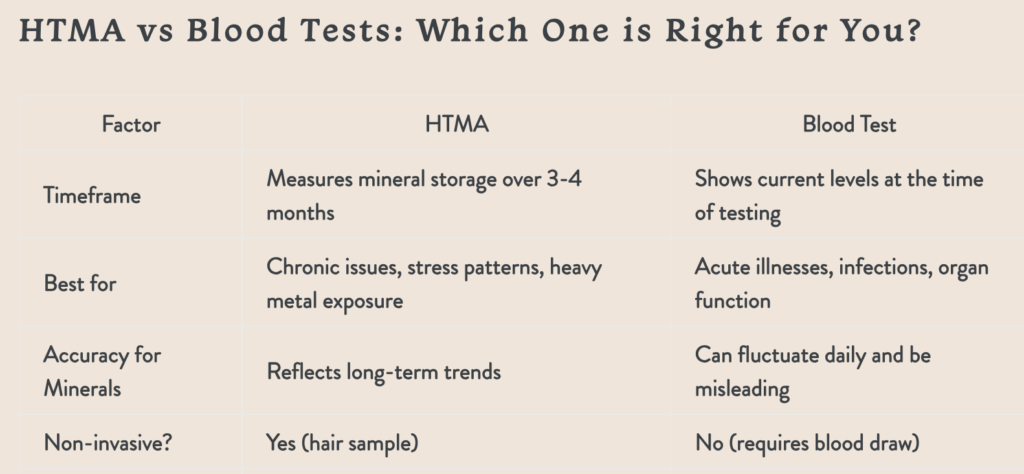
even though their blood tests appear normal.
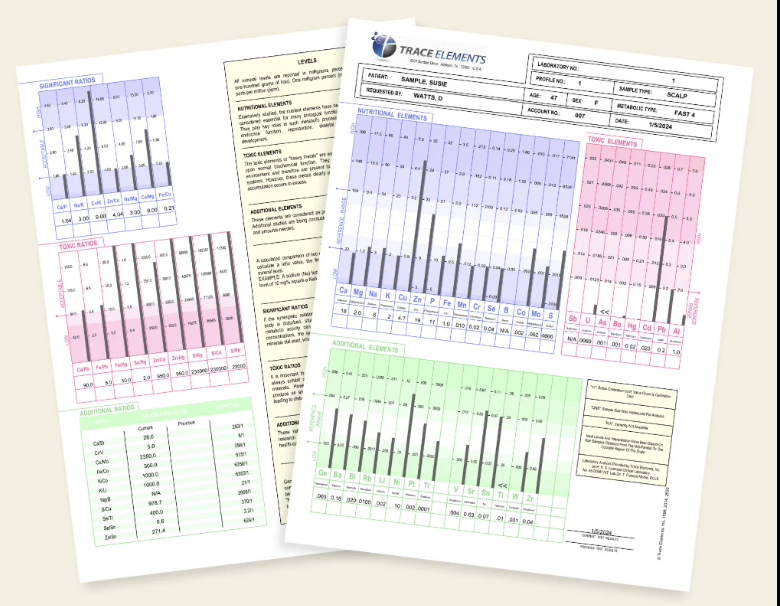
Hair Tissue Mineral Analysis (HTMA) is a specialised functional test that helps us look beneath the surface, revealing patterns in:
mineral balance
stress physiology
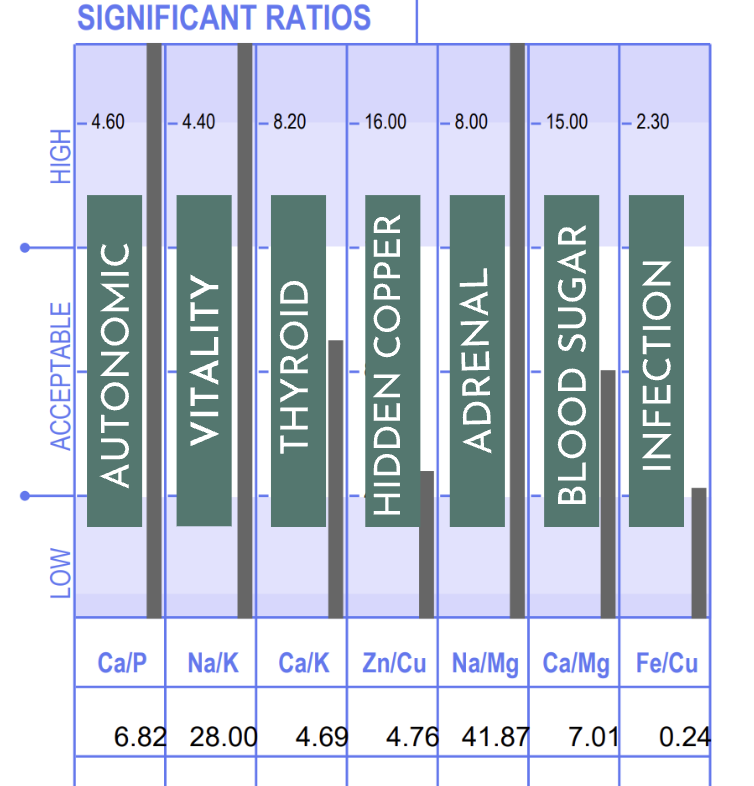
adrenal and thyroid signalling
inflammation and immune load
long-term nutrient depletion
These patterns often explain why symptoms persist when standard testing does not provide clear answers.
Why this test matters
Health is not simply about taking more supplements.
In the past, many practitioners — including myself — were trained to give:
iron for fatigue
zinc for immunity
magnesium for stress or constipation
calcium for bones
What is often not recognised is that minerals work in relationship and balance.
Too much of one mineral can disrupt others, sometimes worsening the very symptoms we are trying to improve.
HTMA allows us to move away from guessing toward careful, personalised mineral therapy.
A personal note
My understanding of HTMA did not come only from study.
It deepened through personal health challenges during a very stressful year, including a broken ankle, significant emotional strain, and a mild stroke that came as a complete shock.
Despite living a very careful and health-focused lifestyle, this experience revealed how profoundly stress and mineral imbalance can affect the body.
Follow-up HTMA testing showed clear mineral deterioration during that period — and later, meaningful improvement once treatment focused on gentle, balanced mineral support.
This experience reinforced something I now hold strongly:
Minerals are powerful.
Used incorrectly, they can destabilise the body.
Used correctly, they can support deep recovery.
For this reason, HTMA in this clinic is always used carefully, conservatively, and clinically — never as a quick or generic supplement approach.
What HTMA can help us understand
HTMA is especially useful for people experiencing:
persistent fatigue or low energy
stress, burnout, or poor resilience
sleep disturbance or anxiety
hormonal imbalance
chronic inflammation or immune concerns
symptoms that remain unexplained by standard tests
It often provides the missing piece that helps guide safe, effective treatment.
How HTMA is used in this clinic
HTMA is not used as a stand-alone result.
Instead, it is carefully integrated with:
your symptoms and clinical history
relevant blood test findings
genetic influences, where appropriate
your overall treatment tolerance and sensitivity
This allows us to create a staged, personalised plan that supports the body gently rather than overwhelming it.
Supplement Support (What to Expect)
Some people worry that improving mineral balance means taking a large number of supplements.
In this clinic, supplement support is always:
individualised rather than generic
introduced gradually and gently
adjusted according to your tolerance and progress
While a simple multivitamin may seem easier, it often cannot provide the specific mineral balance needed for safe and effective change.
When targeted supplements are recommended, they are chosen carefully and purposefully, with the goal of using only what is truly necessary.
Many patients find that as their health improves, supplement needs can often be reduced or simplified over time.
The focus is always:
the right support, in the right amount, at the right time.
How the HTMA process works
If HTMA is recommended for you, the test is provided in a simple, supported way.
Your HTMA kit is supplied at your clinic appointment
or mailed to you if your consultation is online.During your consultation, the test is explained further and any questions are answered.
HTMA is most powerful when it is not used alone, but interpreted alongside other important information about your health.
For this reason, results are often considered together with:
your symptoms and clinical history
relevant blood test findings
genetic influences where appropriate
This combined approach allows us to see a clearer and more accurate picture, so treatment can be gentle, precise, and safe.
The next step
For most people, the best place to begin is with an Initial Consultation that includes HTMA, so your results can be understood within your full health picture, not viewed in isolation.
This allows us to:
understand your health history and current symptoms
assess whether HTMA is appropriate at this stage
interpret results safely and in clinical context
create a gentle, personalised treatment plan you can follow with confidence